アメリカから熊本へ――日本が私の「ホーム」になり、園長と校長になるまで
日本は、本来なら数年間だけ住んで、その後アメリカに戻るはずの場所でした。今振り返ると、ただ神様に感謝するばかりです。日本に「ここが自分のホームだ」と思える場所を与えていただいたことを、本当に祝福だと感じています。
ある意味で、この物語は、日本に初めて足を踏み入れるずっと前から始まっていました。
国際的な経験が形づくった私の原点
高校2年生の終わり、高校3年生になる直前に、家族でスペインへ引っ越し、私はAmerican School of Madridに通いました。当時そこは、本当に国際色豊かな学校で、48か国から来た生徒たちが在籍していました。文化や言語、考え方が自然に交わる環境で過ごした時間は、今でも私の心に深く残っています。
そして1989年、そこで私が人生で初めて出会った日本人がいました。名前はDaizo Watanabeです。
当時の日本は、経済大国として世界から注目され、「日本がどんどん伸びている」という話題をあちこちで耳にしました。しかし、私が日本を本当に身近に感じたきっかけは、ニュースや教科書ではありませんでした。それは友情でした。
Daizoとは、同じように家族と一緒にスペインで生活していたこともあり、彼は何度も私を家に招いてくれました。夕食をごちそうしてくれたり、泊まらせてくれたり、放課後に一緒に過ごしたり。そんな時間の一つ一つが、私にとって忘れられない思い出になりました。
彼の家で、私は初めて玄関で靴を脱ぐことを学びました。初めてカップラーメンを食べました。初めてとんかつを食べました。初めて布団で寝ました。初めて見る日本のお菓子もたくさん食べました。
そんな何気ない日常の中で、いつの間にか私の中で何かが変わっていました。私は日本に夢中になっていたのです。
いつからそう思うようになったのかははっきりしませんが、「いつか日本に住みたい」と強く思うようになりました。その時はもちろん、日本が将来、自分にとって「帰る場所」になるとは想像もしていませんでした。
1996年、そして日本での暮らしの始まり
大学を卒業した後、私は海外で教えてみたいという思いが強くなりました。その思いからJETプログラムに応募し、1996年の夏、私は日本にやって来ました。
最初に体験した日本は、JET参加者のオリエンテーションが行われる東京でした。その後、福井市でもオリエンテーションがありました。どちらも数日間の短い期間でした。そしてその後、私は車で、これから3年間暮らすことになる場所へ連れて行かれました。
そこは日本海に面した静かな漁師町で、良い意味で「のんびりした町」でした。夜はとても静かで、周りには田んぼが広がり、夏の暑さも都会ほど厳しくはありませんでした。大都会のきらびやかな日本ではなく、ゆっくりとした時間が流れる日本。まさに、私が最初に心惹かれた日本そのものでした。
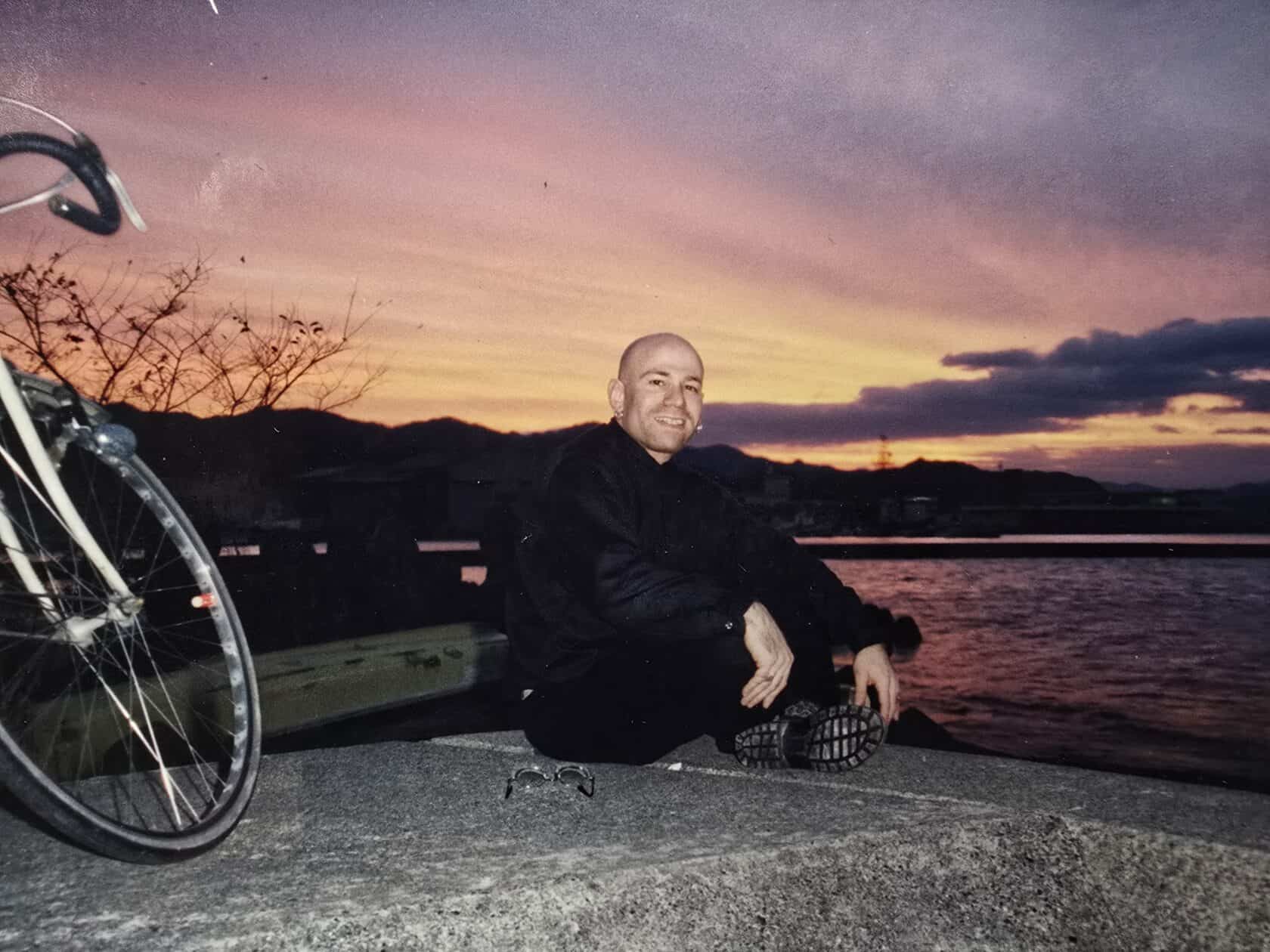
福井県小浜市(若狭湾) 1999年
今でもよく思うのですが、もし最初から大きな都市に配属されていたら、私は今、日本に住んでいなかったかもしれません。
生活のペース、静かな日々のリズム、自然の美しさ、シンプルさ、そして地域のつながり。そうしたものが、私が日本に落ち着き、日本を表面的ではなく深く理解していく助けになりました。人との関係を築き、学び、観光客としてではなく、そこで暮らす一人として生活を経験する時間が与えられたのです。
当時の私は、日本は数年間だけ住む場所だと考えていました。
しかし、神様には別のご計画がありました。
そして私は、そのことを心から感謝しています。
立ち止まり、考えてみたいこと
これからもう少し自分の話を続けていく中で、私はこの文章を読んでくださっている皆さまのことをよく思います。保護者の方々、ご家庭のこと、そしてまだ人生のスタート地点にいる小さな子どもたちのことです。
私たちは皆、それぞれの心の中に経験や希望、そして静かな夢を持っています。それは自分自身の子ども時代から来ているものもあれば、これまで歩んできた道のりから生まれたものもあります。そして何より、子どもたちが意味のある、地に足のついた、満たされた人生を歩んでほしいという深い願いから来るものも多いのではないでしょうか。
私はふと、こんなことを考えます。
心に留めておきたい問い
あなたを形作ってきた経験は何でしょうか。
心に残り続けている出来事は何でしょうか。
そして、まだ小さなお子さまでも、その子の未来を思い浮かべたとき、どんな人生を歩んでほしいと願いますか。
自信でしょうか。
思いやりでしょうか。
異なる文化の人とも言葉でつながれる力でしょうか。
ぶれない自分軸や目的意識でしょうか。
未知の世界へ踏み出す勇気と、「帰る場所」を知っている安心感でしょうか。
これらは、すぐに答えが出る問いではありません。しかし、心に持ち続ける価値のある問いだと思います。
教育とは、今日子どもたちが何を学ぶかだけではありません。子どもたちが将来どんな人になっていくのか、そしてこれから歩んでいく世界がどんな世界なのか。その土台をつくっていくことでもあるのだと思います。
続きは次回
From America to Kumamoto: Why Japan Became Home and I Became a Principal
Japan was only supposed to be my home for a few years before moving back to the United States. Looking back now, I can only thank God. I feel truly blessed to have found a place that eventually became home.
In many ways, this story began long before I ever set foot in Japan.
A Life Shaped by International Experiences
At the end of my junior year of high school, my family moved to Spain, and I attended the American School of Madrid. At the time, it was a truly international school, with students from 48 different countries. Even then, it was a place where cultures, languages, and perspectives naturally mixed, and it left a lasting impression on me.
It was there, in 1989, that I met the first Japanese person in my life. His name was Daizo Watanabe.
Japan at that time was often described as an economic powerhouse, and people around the world were talking about its growth and influence. But my first real introduction to Japan did not come from the news or textbooks. It came through friendship.
Daizo and I were both living in Spain with our families, and he invited me over many times—sometimes for dinner, sometimes to spend the night, and often just to spend time together after school. Those visits left a deep impression on me. In his home, I learned to take my shoes off before entering. I ate my first cup of ramen. I tried tonkatsu for the first time. I slept on a futon for the first time. I tasted Japanese snacks I had never seen before.
Somewhere in the middle of those simple, everyday moments, something changed. I was hooked.
I did not know exactly when it happened, but I knew that one day I wanted to live in Japan. At that point, I had no idea that Japan would one day become the place I would call home.
Coming to Japan in 1996
Years later, after graduating from university, I felt a strong desire to teach overseas. That desire led me to apply for the JET Program, and in the summer of 1996, I arrived in Japan.
My first experience was Tokyo, where new JET participants attend orientation. Soon after, there was a second orientation in Fukui City. Each experience lasted only a few days. Then, after that, I was driven to what would become my home for the next three years.
The town was Obama, in Fukui Prefecture.
It was a quiet fishing town on the Sea of Japan—sleepy in the best way. Nights were peaceful. Rice fields stretched out into the distance. The summer heat was present, but manageable. It was not the Japan of big cities or bright lights. It was a slower, quieter Japan, and it was exactly the kind of place that first won my heart.
I often think about this now: if I had been placed in a large city from the very beginning, I do not think I would still be in Japan today.
There was something about the pace of life—the quiet rhythms, the natural beauty, the simplicity, and the sense of community—that allowed me to settle in and truly appreciate Japan beyond the surface. It gave me time to build relationships, to learn, and to experience life not as a visitor, but alongside the people around me.
At that time, I still believed Japan would only be home for a few years.
But God had a different plan.
And I am grateful He did.
A Place to Pause and Reflect
As I continue to share more of my own story, I often find myself thinking about the people reading this—parents, families, and those raising young children who are still at the very beginning of their lives.
We all carry experiences, hopes, and quiet dreams in our hearts. Some come from our own childhoods. Some come from the paths we have already walked. And many come from the deep desire to see our children grow into people who live meaningful, grounded, and fulfilling lives.
It makes me wonder.
Questions Worth Holding
What experiences have shaped you?
What moments stayed with you long after they passed?
And when you think about your child—even if they are still very young—what kind of future do you quietly hope for them?
Is it confidence?
Kindness?
The ability to communicate across cultures?
A strong sense of self and purpose?
The courage to step into the unknown while knowing where “home” is?
These are not questions with quick answers. But they are questions worth holding.
Education, after all, is not only about what children learn today. It is also about the kind of people they are becoming tomorrow—and the kind of world they will one day step into.
To be continued…